Showing posts with label Nikographer. Show all posts

Tuesday, July 4, 2017

Fireworks - 4th of July 2017

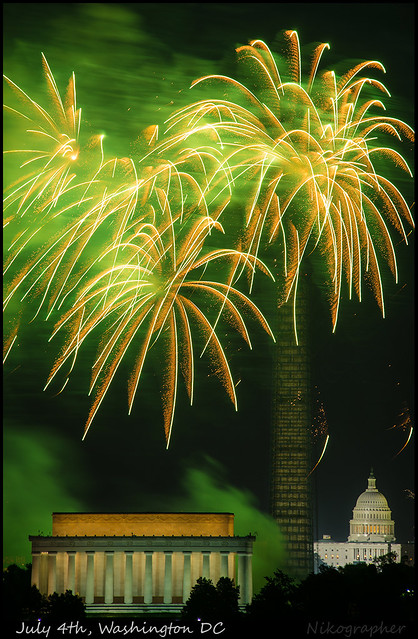
I'm getting ready to shoot the fireworks tonight, and shared this image from 2013:

July 4th, Washington DC

For some tips and inspiration check out Angela's site and video:

http://www.abpan.com/tag/fireworks/


Tuesday, April 25, 2017

AF-finetune for Subject and Shot - how to get better focus for birds in flight (towards the camera)


I use the AF-finetune to calibrate my lenses and cameras.  Usually this works out pretty well.  Calibration will set the camera to not front-focus or back-focus, the focus will land where you want it - on the spot where focus was attained.

What I have found almost all the time when shooting birds in flight is that focus is harder.  Sure, nothing news worthy there.

But what is most frustrating is when a bird is flying at the camera focus is rarely on the eye.  And it is because the eye is rarely in the center of the frame where the selected focus point is most likely to be.

I've speculated and toyed with changing my AF-finetune specifically to be setup for this type of bird flight shot, but it is rare that I do it.  The setup is to change focus to bias towards front-focus.  With the birds flying at the camera, and the head likely the closest part of the bird, you want focus to be closer than what you will normally get.

So, I rarely do it because how many flight shots towards the camera in a row do you get and if it is just a few is it worth blowing all the other shots?

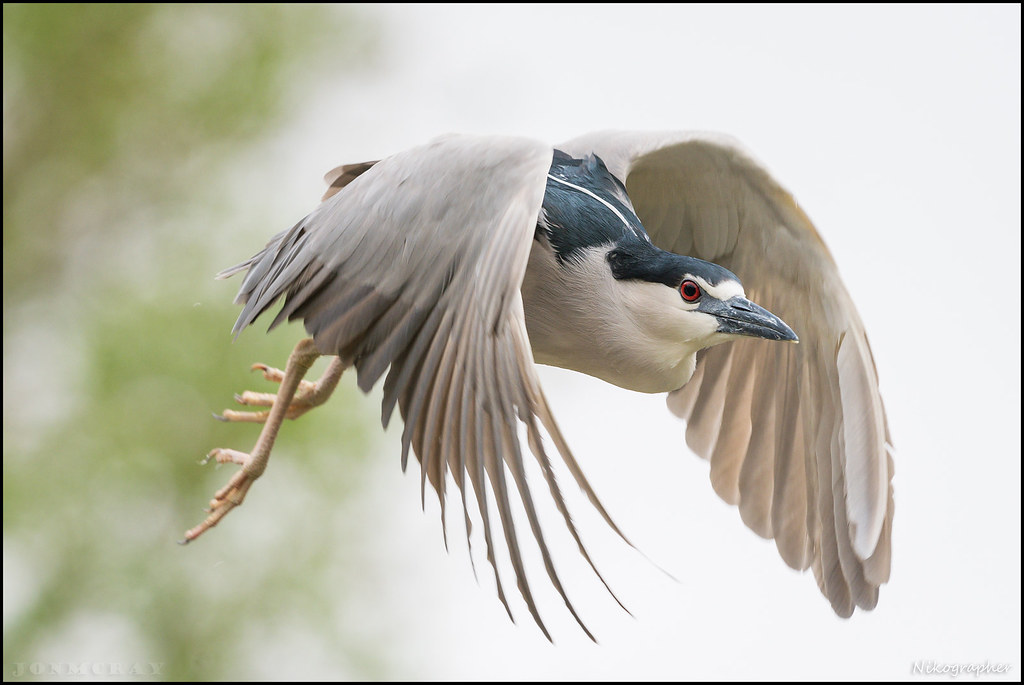
On this day I was shooting the Herons as they were nest building and they kept flying a similar route.

I got some of the best focus in this setup than I have ever gotten before...  Normally my lens (600mm f/4) is set to about -14AF I think, and I changed it to -18.  I tried a few settings, and the following weekend I tried with my 500mm and experimented more.  I got better results with the 600mm at about -4 on top of my normal calibration.

Have you ever tried this technique?

Or are you already happy with your birds in flight towards the camera shots - so no need to tweak this setting?

AF-Finetune for Subject and Shot


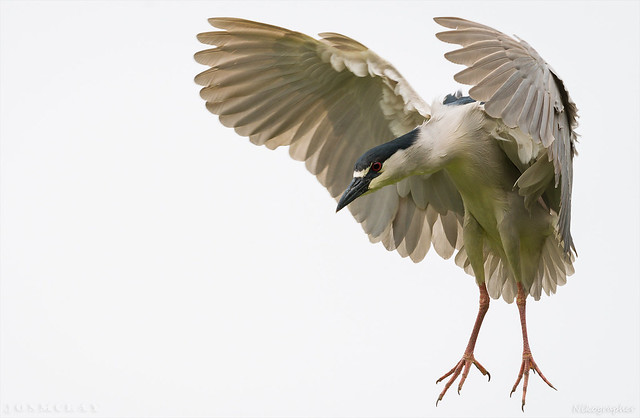
Updated with another shot from this day
Stall Approach

-Jon

Sunday, January 22, 2017

Women's March on Washington

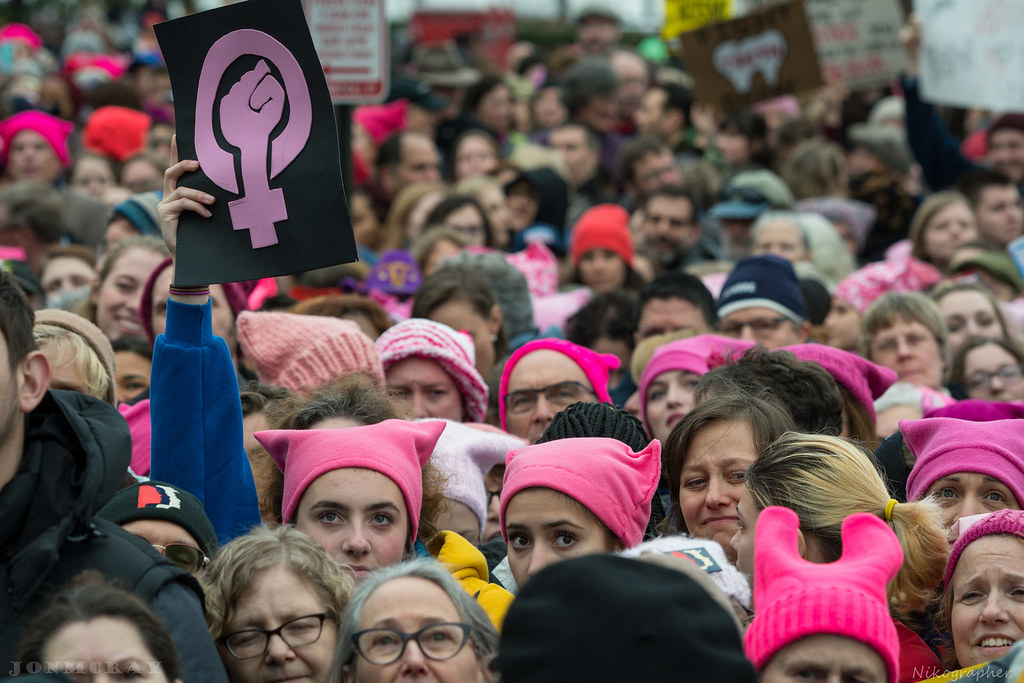
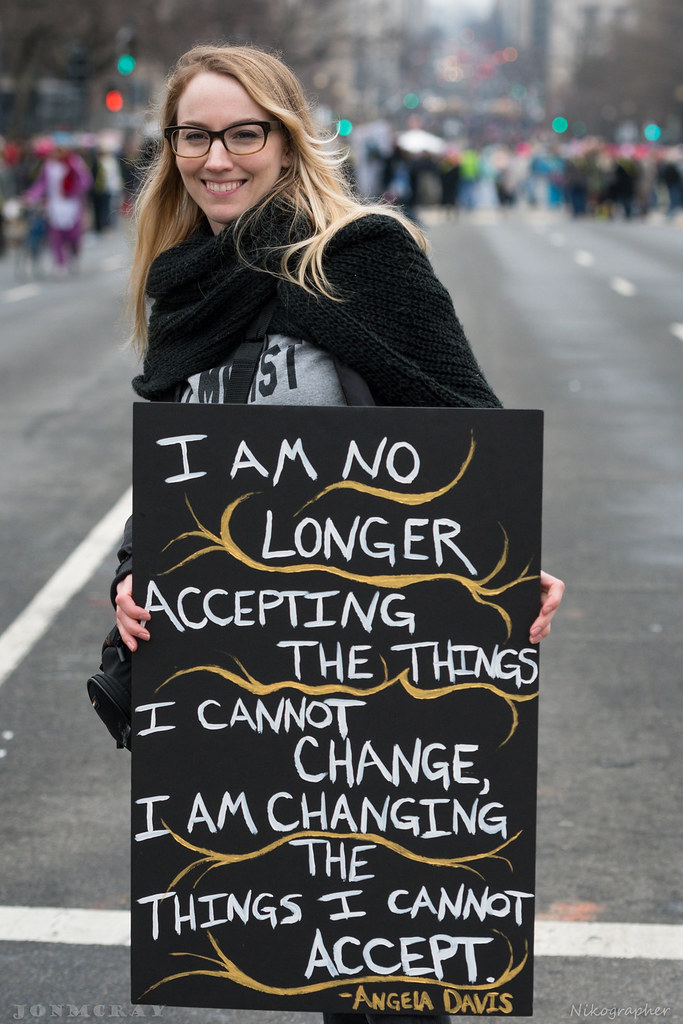
The day after the inauguration of Trump, there was a rally in Washington DC - the Women's March on Washington.

Normally I take photos of nature, animals, and occasionally friends and family. But I have lived near Washington DC for almost 20 years, and I have never photographed any significant or historic events in the area.


A photo posted by Jon (@the_real_nikographer) on

Recently I have been open to trying new things, as I did with my trip a couple weeks ago to Jackson Wyoming.  Attending a crowded rally in DC, planning for the logistics of shooting there and the uncontrolled/unknowable aspects of being on foot during such a busy time has in the past made me decide to do other things.  But not this time.

So I got up at around 5am, and made to a parking area off Ohio drive behind the Jefferson Memorial around 6:15am and then waited.  I was unsure what to expect even with this small aspect of the day, where and when to park.  But when I got there the lot was nearly empty, heck it was an hour before sunrise - nothing new with regards to planning and traveling for wildlife and sunrise - but the lot could have been closed, the road access could have been closed or diverted, a ton of things could have made this first step a problem  But luckily it worked out.

A photo posted by Jon (@the_real_nikographer) on


I got to the lot and then rested a bit, and was reassured by this first step working out.  Then I walked to the Jefferson, and was the only one there - an odd and eerie thing.  The capital would be over run with people in the hours to come but this was the calm before the so called storm.  I tried to use the facilities there but they were accessible but closed for repairs.

As dawn approached I walked over towards the Washington Monument, it was foggy and damp out.  And there were a few others also getting a jump on the long day ahead (not pictured in this shot).

A photo posted by Jon (@the_real_nikographer) on


On Friday I called the park service to see about the march, routes, access and restrictions.  What I learned was that there would be restrictions and security for those inside the protected area (whatever that actually meant).  But that throughout the rest of Washington D.C. it would be just like any other day and there would not be blockades, or checkpoints, or heightened security.  So I took a backpack that was too large for the restricted areas never intending to go inside a restricted area.

As I got closer and the morning progressed, I realized that there would people everywhere and I would be able to see "the event" from all over the place.  I walked down the Mall and then south on 4th street (I think).

During the entire day I took about 2,700 photos, and walked 10 miles.

A photo posted by Jon (@the_real_nikographer) on


For the most part I managed to remain on the edges of the crowds and assembling marchers.  However a few times I had to "retreat" to get to less crowded areas.  One time a couple of guys took the baracades along 7th street and made an opening so that the people in the street could easily move to the sidewalks and grassy areas.  Most people continued to move towards the Rally area, but within a short time the area was nearly packed with those that didn't want to move closer and wanted a spot to rest.

Another time at roughly 7th and Independence I stopped to shoot the crowd from in front of a jumbo-tron type display.  There was space in front of the display because the angle from right in front of it was too oblique to be able to see the screen.  However even that spot filled in as more people moved in to the area and gathered.  I managed to shoot a handful of images facing the crowd from this spot and it worked well.  I also got up a couple feet by standing on something to get a better angle on the crowd - though it was an awkward spot and eventually after I had move off a person asked those nearby not to stand there (on it) anymore.

And later when the intersection of Independence and 15th street was in the preparing stages of the actual march proper, I managed to I guess look like a press photographer and stayed IN the intersection along with organizers, police and actual press photographers.  I took the time to shoot photos and talked to everyone there. It felt like one of those act like you belong moments and it worked out.  Everyone was friendly and I even chatted it up a bit with a particular press photographer from New York city.  He seemed like a seasoned veteran of the trade and was nice and had some interesting quips about the day that I appreciated - such as some background on the "American flag hijab" thing, which he said started in NYC.

A photo posted by Jon (@the_real_nikographer) on


This type of photography is new to me, and I have been trying to find a way to show meaningful moments from the day.  I realize that I could post photos from throughout the day and that various messages marchers had would be seen via their signs and actions, and the images would invoke various responses.  I don't usually try to express my own political leanings through my photography, and I am mindful of which images I choose to share.

With that, here are a couple of images that are a start to my selecting and sharing meaningful images:

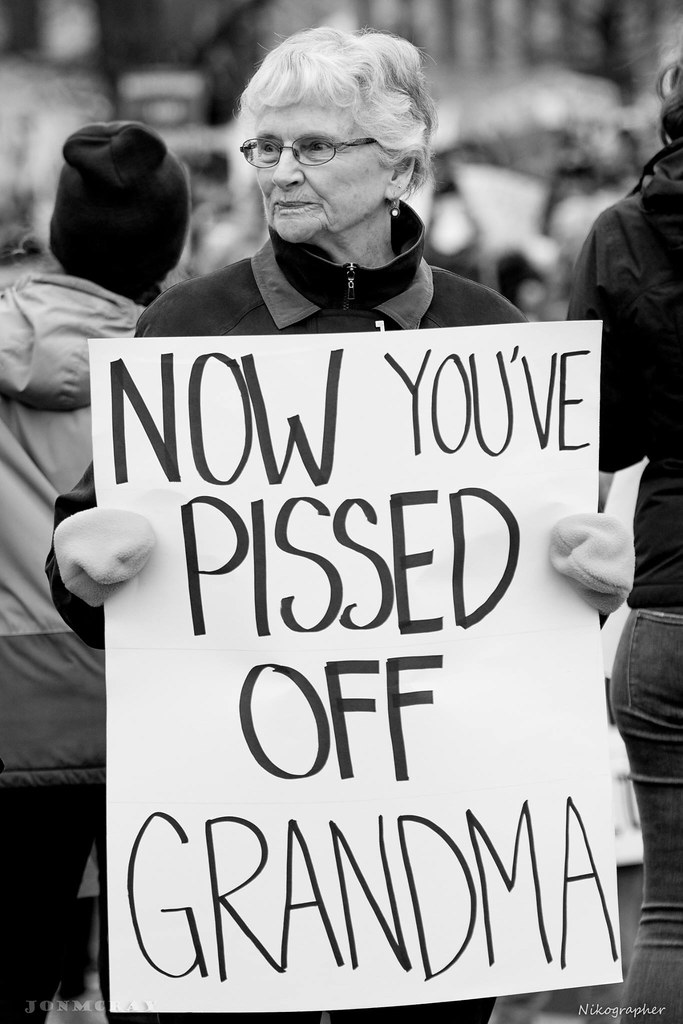
Granda
Grandma @ Women's March in Washington DC.

Hijab
WMW 2017

-
With that, I will add images to this post as I process and share more images.

update 1 - 2 new images

I took a lot of portraits of those at the rally, there were some really interesting looking people.  I used to setups while at the rally, D500 w/ 70-200mm f/2.8 and D810 w/ 17-35mm f/2.8 (I swapped lenses between those 2 bodies a couple times).

Faces in the Crowd @ Women's March on Washington

Portrait @ Women's March on Washington

update 2 - A couple more photos...

@Women's March on Washington

Women's March on Washington


Update 3
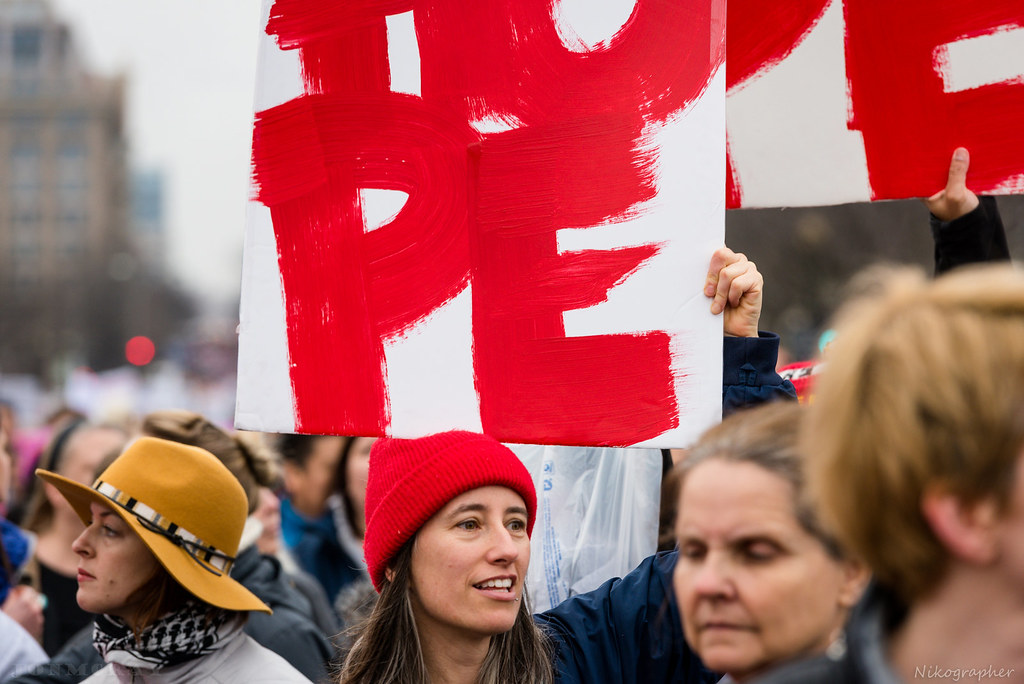
Two more images from the march, there was a genuine positive attitude at the march.  People were excited to express themselves and to get their message out there.  Everyone wanted to be seen and to have their voices heard.

HOPE

ERA YES


-Jon


Friday, December 30, 2016

Black Skimmers in NY and NJ - 2016

Black Skimmers in NY and NJ 2016.


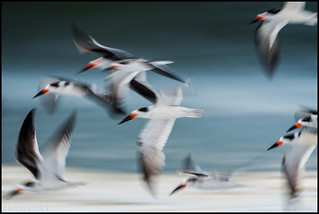
I enjoy watching and shooting the Black Skimmers.  They are usually a mix of adults and immature birds - when I see them both in New York and New Jersey.

They will let me get pretty close, but often will also seemingly fly off for no reason.  But usually it is a jogger, a person with a dog, or a predator flying by (like a peregrine, which I have seen buzz them at Cape May).

Some times when they take off they will fly around and fly off and land a half mile or more down the beach.  Other times they will land right near where they took off from.  For this reason I usually give it a few minutes and stay where I was shooting from without moving or getting up.  This has occasionally worked, and they have landed right back in front of me.

I find that cool.  And even cooler is when the birds approach me.  Sometimes this has been due to other people approaching them from another side/area, and it has also been when they have the water/surf on one side of them and me on the other.  When they run away from the surf and towards me, to a safer location, I find that to be a sign that I am there and not bothering them and they are comfortable with me shooting them.

It is also interesting to see them as they move this way and that way, and how often there will be an immature bird that must be tired and it is either sleeping and not moving or it is just slower to respond and follow the movements of the flock.

The really do behave like one bird, all in sync, when it comes to responding to perceived danger.  If they think there's something bad about to happen they will all fly off together in a moment.  Only once or twice have I seen them leave a bird behind, and that bird has always been injured or weak.  To survive they've got to be able to go with the flock when danger approaches...

 D500 w/ 600mm f/11 1/1600th
Nickerson Beach, NY
Black Skimmer on Approach

D810 600mm f/5.6 1/500th
Cape May, NJ
Sunrise Skimmer


 D500 w/ 600mm f/5.6 1/800th
 Cape May, NJ
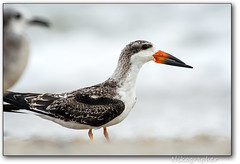
Juv. Black Skimmer

Happy New Year.

-Jon


Sunday, December 25, 2016

EOY Thoughts on Seeing Differently Not Just Shooting Incrementally Better


My long time approach to making images has been to shoot, review, pick the best shots, and then try to do better the next time.

The next time I might have the past images in mind and I might try to reproduce the best images, with something new or with some element that was missing added this time.  Or maybe the next time I remove something that took away from the past images.

To me this is the standard approach.  And it is the kind of process that is needed to learn how to take or make better images in a large variety of circumstances and for a variety of subjects.

There are so many things to learn about gear and settings.  For example just coming up with when and if you want to shoot in manual mode or one of the auto-exposure modes takes time.  I shoot in a few different modes but mostly manual exposure with auto-ISO.  But there are still some times when manual ISO and manual exposure are better.  I like using auto-ISO when the light and conditions change a lot and dialing in some exposure compensation to adjust the exposure is easy to do.  Other times when the light is consistent, and the subjects are consistent going full manual can be better.  This allows for tighter control of the exposure and less variation, and I can try for more specific/artistic images.

Regarding exposure, picking shutter speeds for shooting can have a huge impact on the images and what is recorded, not just if the subjects are sharp enough or frozen given their speed and the size of the lens.  For this setting, there is the basic approach of calculating all the component parts of the setup and then trying to freeze the action.  Fast moving subjects - faster shutter speed.  Longer lens - faster shutter speeds. Hand holding the lens - faster shutter speeds. That's the basic math to be taken in to account.

But the more advanced thinking would be to not just respond to those and only try to freeze the action, to make simply a sharp image with a frozen subject.  Years ago I remember seeing this panda photo shot my Nick Nichols and thinking that I was unaware of so much that goes in to a good image.  It was taken with a long lens, in what I would now consider challenging light and shot with a slow shutter speed.  This informs me now about how those early simple rules for photography are a good starting point but to make better images I need to keep pushing.

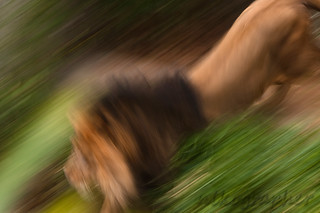
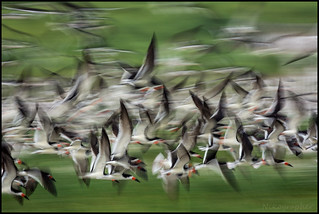
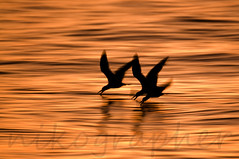
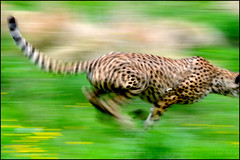
Here are some examples of images that use blur/slow shutter speed for positive effect:
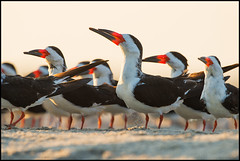
Black Skimmers @ Cape May NJ///   Luke   ////Skimmer Blur
skimmin'Cheetah......................................!Cheetah on the moveSlowmotion


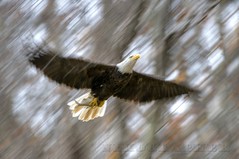
Realizing that the rules for sharp images are not rules to blindly live by has helped me grow.  Of the above images all are off a tripod with the intention of making the resulting image except for the last one of the eagle which was a 'happy accident'.

Capturing animals with some motion helps to bring them to life in an image that otherwise might be frozen and lack that feel.  Going back to that panda image - seeing some motion can really help bring more to a photo.

Capturing images that work with blur can be pretty difficult though.  Things that contribute to a motion blur image not working well are: too much blur, nothing being sharp, having to stop down the lens too much and seeing tons of sensor dust, the blur not going in the right direction due to imperfect panning technique, etc.

So what's the next technique, the next default thought process to get rid of or to question?  I have done a short project I called "going vertical" where I shot vertical composition for a while and that helped to break out of the way I was almost always shooting with the camera held in landscape/horizontal mode...  I even shot a vertical video...

IDK what's next.  Not shooting from eye-level is another approach to take.  It is easy to stand and shoot from that position.  Or to setup a tripod at eye-level and shoot from there.  But shooting from lower, or as low as possible really makes for a better/different perspective.

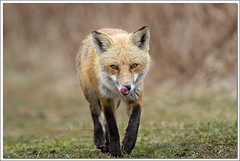
Black SkimmersThe Shadow Knows...Priceless - Red Fox @ Bombay Hook Refuge, DE

Another norm or standard that I've noticed was worth reconsidering is that of hoping for 'good weather'.  I now consider good photography weather usually anything other than clear blue skies or overcast and rainy.  As a result I like some overcast, or some clouds, or some rain and storms, or cold weather and things freezing or hot weather and animals that might be reacting to the weather...  This summer I specifically went to shoot osprey on 2 of the hottest days in order to see the birds hot.  It is harder to shoot on these types of days, be it hot or cold.  It takes preparation, and the right approach to pull it off successfully.  One of my go to things to help in all kinds of weather or times of year is to keep a case of bottled water in my trunk.  Being thirsty or dehydrated is easy to let happen.  But it is one of the simplest things to control when shooting and so many things aren't controllable.  It's just like always trying to be well fed, and to have ample snacks that are high in protein and good for me.  I often will do a day trip on a Saturday and drive 200-500 miles round-trip, where I get up a couple of hours before sunrise and get somewhere good, and then shoot all day and then drive home.  And then doing the same or similar the next day, on a weekend when most people might be resting, sleeping in and recovering from a hard week of work - to do it my way takes planning and execution.And being more prepared allows for something to not go my way, and not really be that bad or wreck a day of shooting.

So what's the next thing to mix it up and bring my photography to a new place?

I'm going to start 2017 by going West to a place I've never been, to shoot animals and landscapes I've never seen or shot.  I'm trying new things.

With the change in the year, I want to... think like I did at Kenilworth Aquatic Gardens when I went a half dozen times this summer.  I went, and went, and got the images I had defaulted to, and then I started to explore more and try for different images and I think I captured my best images of the Lotus Flowers.  I've posted a few myself, and shared many more with Tara Brach to use with her talks and meditation posts.

Lotus petal

A photo posted by Jon (@the_real_nikographer) on


I wonder what it would take to quickly see the default program running, the program that tries to get me to make the same images again, to see the way I have seen before and repeat things.  I wonder if there are ways to do less pattern matching and finding less comfort in the old, and seeing new and fresh, quickly or quicker...

I'm going to try new experiences, new locations, new approaches when I can, and I'm going to try to advance my photography and not just make 'sharper images' but make new and different images.

Happy New Year.
-Jon

Tuesday, December 20, 2016

July Osprey - 2016

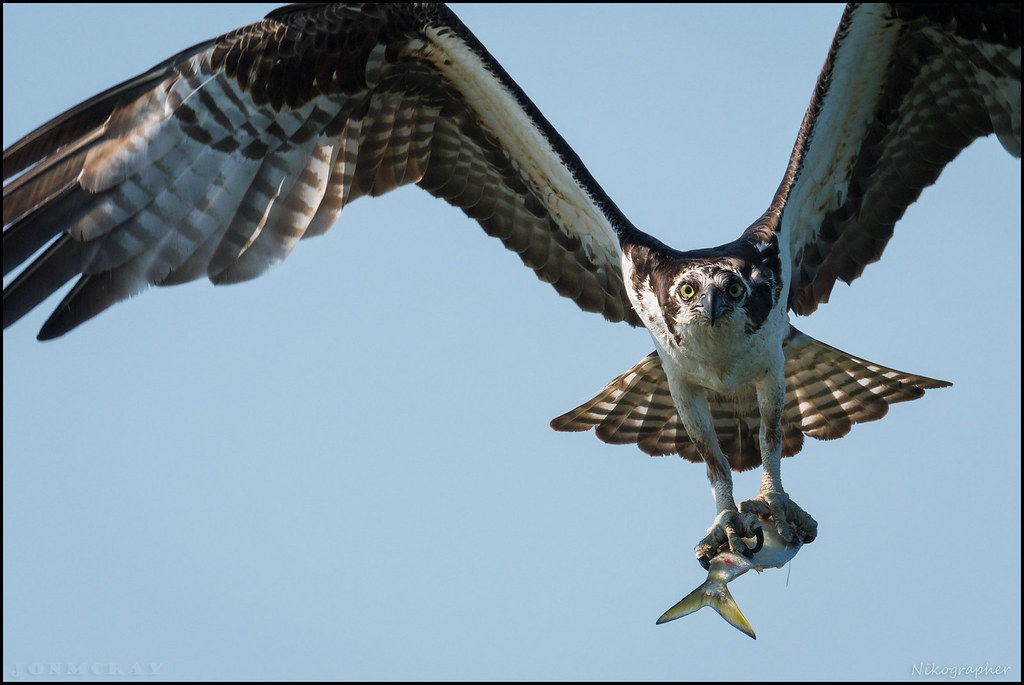
July is a great time for photographing Osprey in Maryland.  The chicks are getting big, and still in the nests, not yet fledged.  They are also eating a ton of fish so the adults need to be active to keep up with the demand for food.

In years past I have let other things grab my time and attention and I have missed out on shooting the osprey chicks.

But this year I took a day off of work, and I also took a weekend day and went to 2 specific nests near St. Michaels Maryland to shoot the birds.  There are so many nests in Maryland, but I liked these two because they are near but not too near to land, and they each had 3 chicks this year.

At the first nest I watched as one particular bird worked out, flapping away, gaining wing strength.

July Osprey [3]

What really caught my eye was how the adult was perched slightly higher than the chicks, and was surveying the area but also keeping a close eye on the chicks too.

July Osprey [2]

The other nest I shot at had the 3 chicks, and they spent more time being fed.  The male osprey was nearby and delivered 3 fish within about an hour while I was there for about 3 hours.  It was super hot, above 90/95 degrees.

While shooting from a nearby marina I drank 4 bottles of water to just keep up with the heat and sweat.

The above photos are new posts to flickr.  The below images I have shared already, here's the male at the second nest checking me out while carrying a fish, and then coming in for a landing at the nest.

MD Osprey

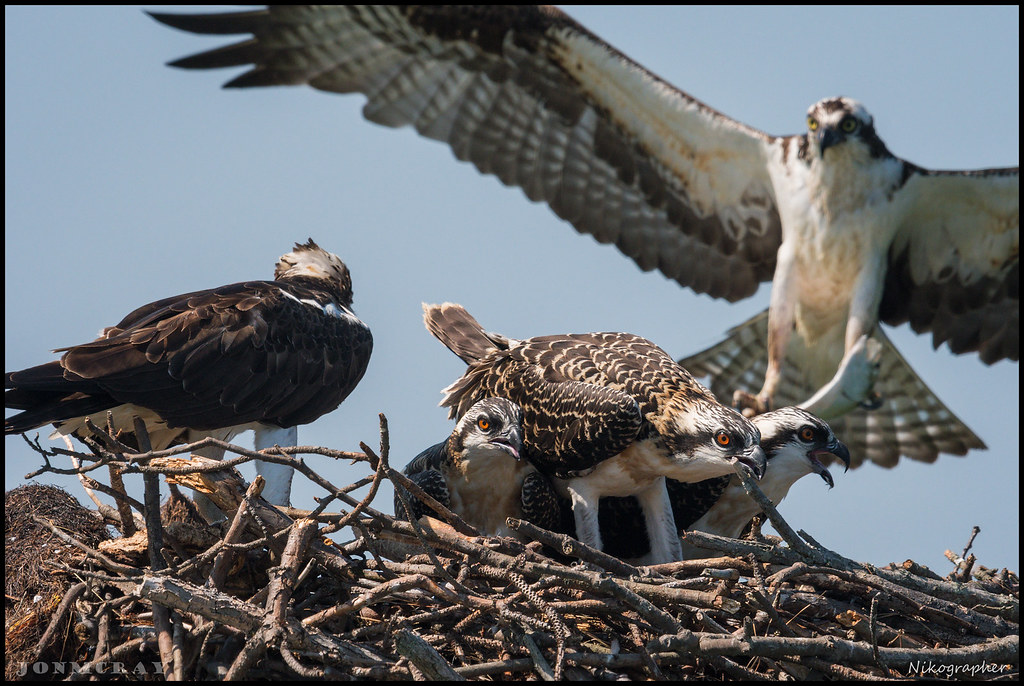
Osprey Family @ St. Michaels, Maryland

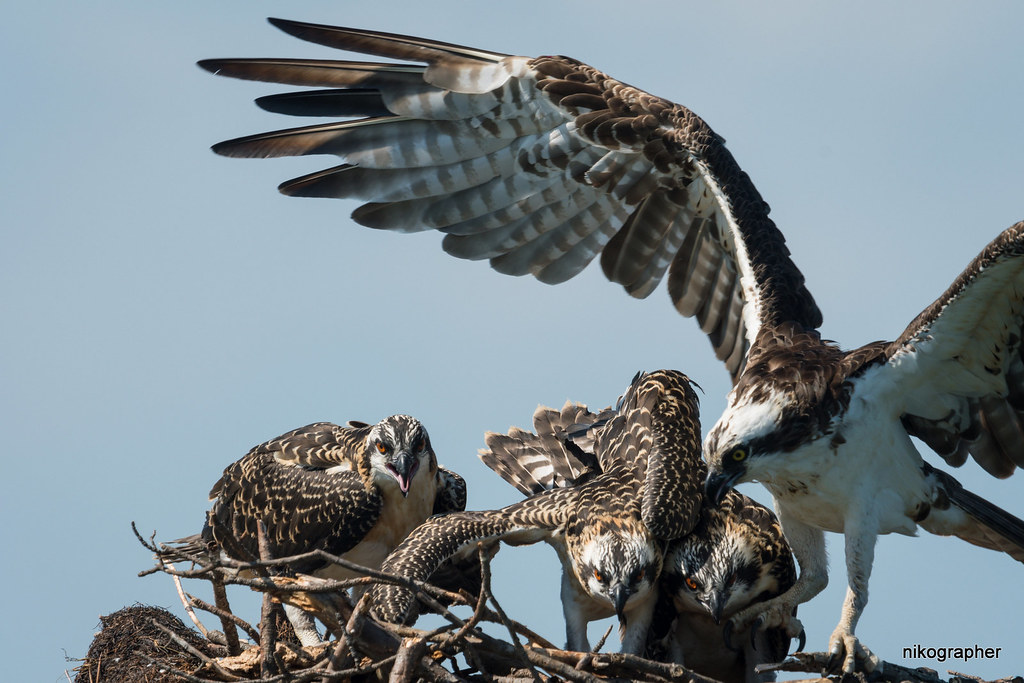
I really like how crowded the nest seemed and how they were all huddled together so closely.  They were also very eager to eat, and the female (adult) went right for the fish and then repositioned herself to feed the chicks.  The male was more tentative.

It is not that often that I have seen and photographed chicks and both adults in a nest.  Usually the male will stay away or fly away quickly.  This male was similarly edgy but delivered 3 fish, and stayed in the nest longer than I expected.

MD Osprey 

Part of the reason could be the distance of the nest from the shore.  It was not that close - I used a 600mm and crop body (D500) to shoot them, and with a 1.4 teleconverter for some images.  In addition, when the male came by and seemed to do a couple fly-bys checking out the nest and me, but not landing, I backed up slightly, until he landed on the nest.  At one point I also used a cheap wireless camera trigger - where I set up the camera on the nest, turned off auto-focus, and then walked away to see if the birds' behavior would change.

During this time the male caught the fish and then would land on a nearby channel marker and eat some of the fish and wait.  The male, and female actually while the male was hunting, took to the air to ward off other osprey that intruded on their territory.

Each day was about a 4 hour drive round trip, and probably around 4-6 hours shooting. 

 The osprey should be coming back in two and a half to three months.  It will be fun to see them again.

-Jon

Tuesday, October 18, 2016

Sunrise at Hemingways near the Chesapeake Bay Bridge March 2016

The first time I ever went to Blackwater National Wildlife Refuge, many years ago, I had the pleasure of witnessing the sunrise while crossing the Chesapeake Bay Bridge. I say pleasure because I had not planned it right and didn't know how far I had to drive (no smart phone at the time, no google maps, and no proper prior planning) and while I was less than half way there I got to see the sunrise and realized I had blew it, and would be more than an hour "late" for sunrise...

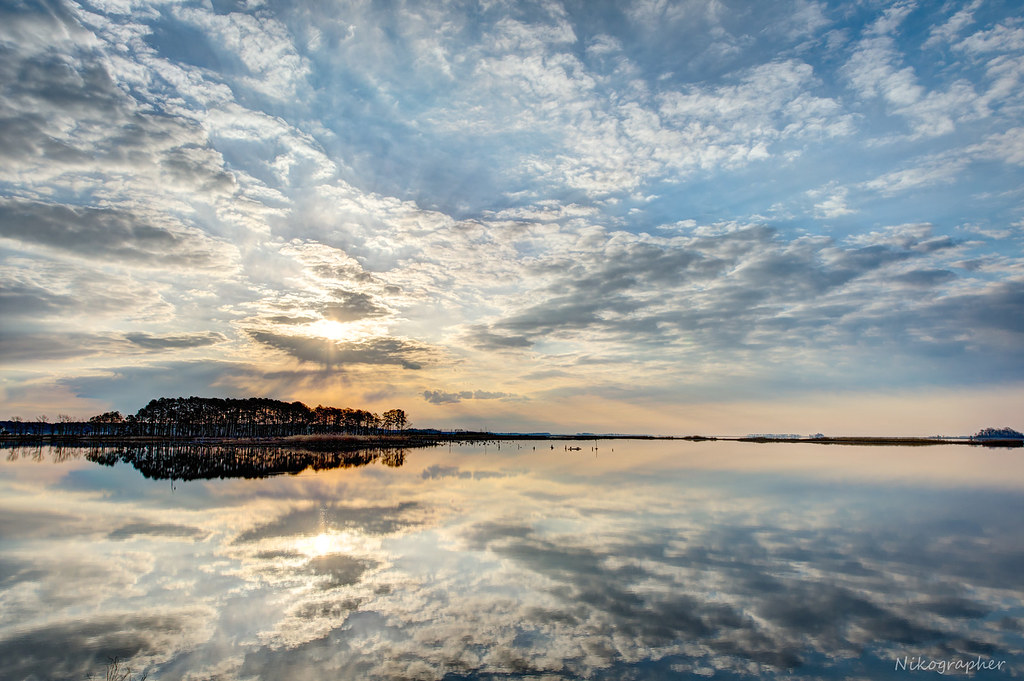
Pretty much every visit since, over 50 easily in the last 9 or 10 years I've made it to Blackwater before sunrise, sometimes 45 minutes before... It is around a 100 miles to drive for me, and can take nearly 2 hours in the early morning. And it is totally worth it. Here are a couple sunrises from Blackwater that were awesome/epic/wow'd me, etc... Any many more here.

Sunrise @ Blackwater
Blackwater National Wildlife Refuge, MD
Blackwater NWR Sunrise
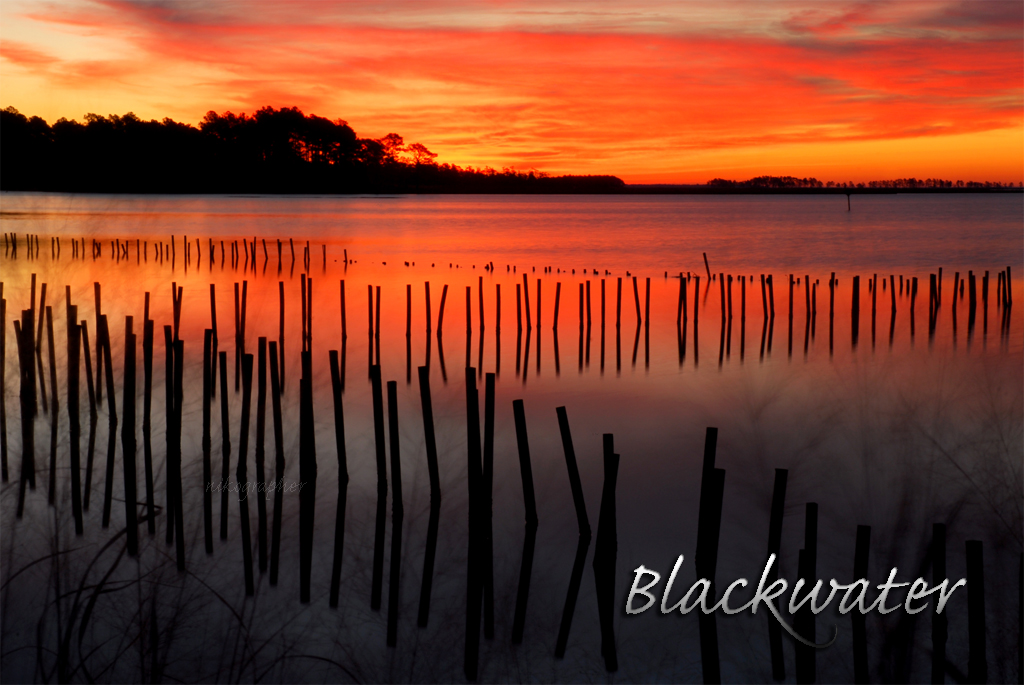
And finally this sunrise, from my second visit when I did actually make it in time for sunrise... ( Taken on December 16, 2006)
Blackwater

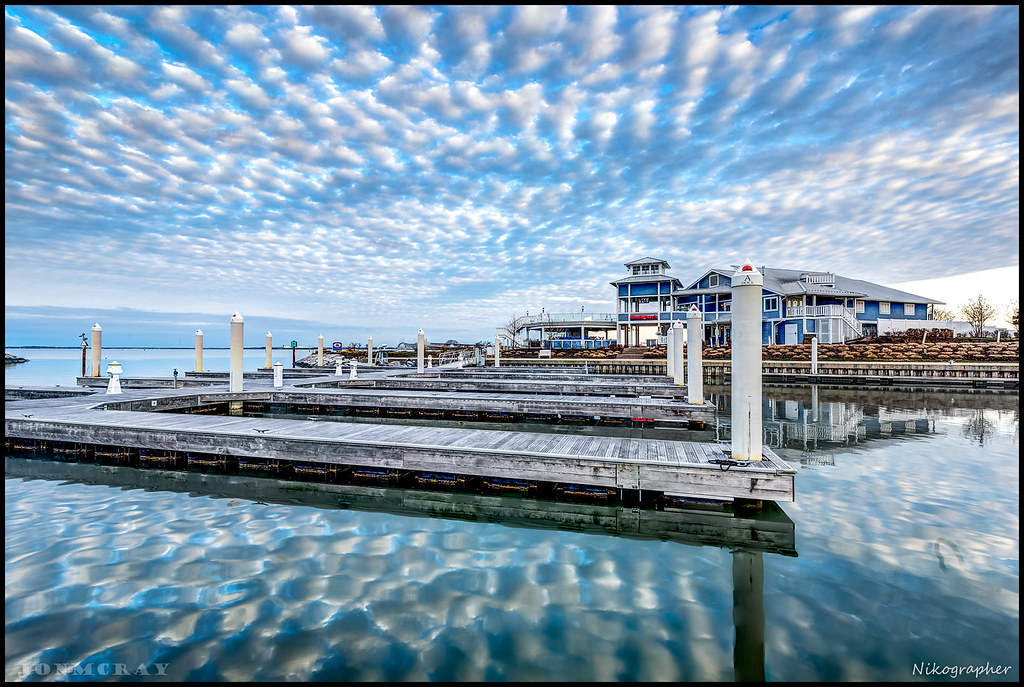
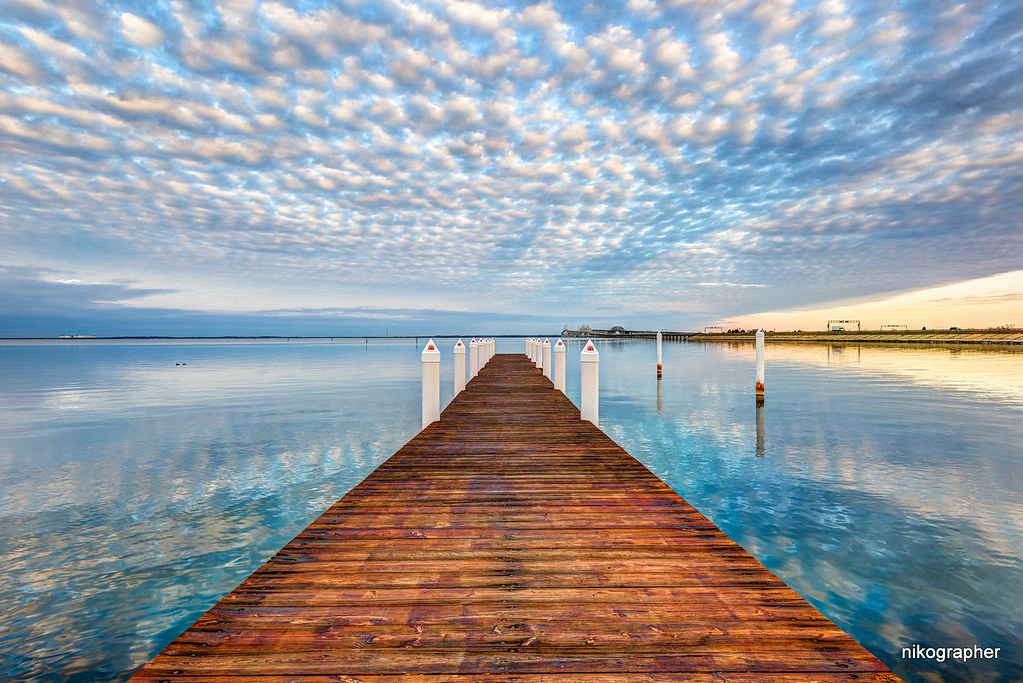
In March 2016 I think the weather wasn't supposed to be great and I slept in and then decided anyway to go east, and instead of getting up at 4am I got up at 5:30am or something. As I was driving I saw the amazing sunrise and these strange clouds and it was something to see. So for the first time, I stopped on the East side of the Bay Bridge at sunrise and went to the marina there.
Previously I'd shot the Snowy Owl that was there in the evening, while coming back from the Eastern Shore:


All that lead up to show off these two images I've shared so far from this spot... I shot a bunch, walked on the docks a bit, shot looking east, looking west, and took a few hundred photos. Then I continued east and hit a couple other spots without going to Blackwater.
Empty Docks
Empty Docks @ Sunrise

Sunrise @ Chesapeake Bay Bridge

Finally, here's a 'contact sheet' from the images I processed and rated from this day in March 2016. I've only posted the 2 above so far. There might be another couple to post from the sunrise timeframe... Later in the day the images were not unique, though it was fun to see the osprey early in the season the ducks as well.


If you're wondering about how I rate images, here it is:
1= come back and find this image and process it later.
2=used for an automated image/hdr creation, not editing by itself for single export
3=any edited image that is not rated higher
4=hdr images (TIF's then processed and exported), or regular images that are a "4". So just because an HDR is a 4 doesn't mean it is an image I really like.
5=highest rating, any image that I REALLY like...

Original content posted at http://natureandwildlifephotography.blogspot.com/
Nikographer.com / Jon

Thursday, February 18, 2010

Tips and Observations for Nature & Wildlife Photography

I was asked to speak at a camera club in Maryland recently, and accepted because while I am not a Pro Photographer, I aspire to be one one day and thought of it sort of like training for the big leagues... About 35 people attended and as far as I could tell no one left or fell asleep - so it was a success! My presentation last about 2 hours... With nearly each image I told something regarding the subject or location or both, and elements that went in to the photograph/shooting.

I showed about 120 images in 6 categories and made these collages as intros in to the image groupings (a few photos not in the collages made it in too - almost all images were ones I'd posted to flickr previously):

FLASH


FLOCKS


HUNTING & EATING


MATES & MATING


MOTION & MOVEMENT


And finally LANDSCAPES


I made a handout with the below info. I've actually spoken at another camera club already as a presenter and not just a member, and had organized the talk around locations and showed images from each place (about a dozen spots). This time I chose a more themed or subject based organization.


1) Learn photo basics (f/stops, shutter speed, ISO, etc) and your gear. period.
a. Practice on captive animals or inanimate objects
2) Learn to observe wildlife, see. Focus on behavior, predicting things.
  a. Practice at the zoo – even captive animals can reveal nuggets as to wildlife observation
3) Learn locations, start locally, expand travel distance.
4) Learn to do basic location/site discovery on visit #1
5) Build an informed plan for visit #2 ->
6) Execute on that plan, adapt, be flexible, but still plan and try to use the planning to your advantage.
7) Grow sphere of observation, your photographic world, start close to home, grow travel radius
8) Form good habits for shooting
  a. Prep gear day before (batteries, clean, pack bag for location/plan)
  b. Turn off the cell phone, or put it on vibrate.
  c. Place car keys IN pocket.
  d. While an iPod or radio can help pass the time, it can distract from proper observation
  e. Dress for the weather – but keep options open (bring or have extra clothes ready – shoes, sox, hat, gloves, scarf)
  f. Pack food and water, even for half day trips.
  g. Gas up the car the day before
  h. Use GPS or printed map for first trips to new locations
  i. Always have extra batteries and memory cards. Forgetting that one and only CF card can be a big problem, especially if you don’t realize until after you’ve driven 100 miles. Take the 2 minutes to verify before leaving the house that the camera bag has a camera, battery, memory card, etc.
9) Form habits and plans and patterns for locations
  a. Go where the light is best first, animals have patterns and habits, try things that have worked before
  b. When scanning a given road with good light on one side, and poor light on the other – focus on the side with good light – simple but not worth checking the poor side of the road since photos are all about light.
  c. Be patient, setup and focus attention where the light is best.
10) Go beyond those plans when you start to feel like you are “check-listing” things and not doing "new"
11) Aim for the new, take risks, avoid shooting in crowds, (shoot alone)
12) Always look to get inspired, find photographers that are producing great work and come up with something to try to advance your own work - and not *just* gear.
  a. Gear helps - instead pursue locations, subjects and images (not gear).
  b. Learning subjects’ habits and behaviors can help you get closer than any gear
13) Go shooting alone; or if in a group plan to split up at some point. Don't all line up on a subject or spot and click in unison - or if you do don't expect to get something all that unique. Shooting alone also has the added benefit of putting you in sole control of your interaction with nature/wildlife. The inputs may be directly linked to the outcomes. It is easier to realize a jingle of a set of keys will disturb a bird when you're alone. If your are paired up you may be talking and never see the bird or it might leave before you have a chance to spot it.
14) Try to shoot early or late in the day – golden hour and all, flat / noon-time images are easy to get and lack appeal – an hour at sunrise can yield much better results than 4 hours during mid day.
15) Always keep trying – Luck can yield the occasional great image (think golf swing and a single good ball), but it takes practice and tons of things go in to making good images consistently or at least somewhat regularly.
  a. Get something from every day – and learn to be ok with that not always being a great image. Some days the reward is a new location gets found, a revelation about a subject, or a seemingly minor thing that advances the next trip
16) Last but not least – when you’re wondering what to do, questioning everything and anything, just go out shooting. Unhappy with file management? Go shooting. Unhappy with making prints? Go shooting. Wish you could process a RAW file better? Go shooting. Don’t get caught up in the OTHER STUFF, shoot first, and worry about the rest last.

Qualities of a good image – things I shoot for, use to select images once shot, etc:
  • Is the light good, unique?
  • Are the lines compelling, is the composition good?
  • For Animals does the image show?
    o Behavior
    o Hunting
    o Eating
    o Mating
    o Resting / Sleeping
    o A uniquely close view
    o Animal’s habitat
  • Is the image clean? A twig or the slightest distracting thing in the background can make the difference between ok and great
  • Spend a good amount of time reviewing previous shoots, and give days and weeks for images to age and see if they still hold the same meaning as when first shot – that will help you pick the images that others will respond too since they were not there.

Sign up for news letters:
http://BirdsAsArt.com , http://josephrossbach.com/, http://nikhilbahl.com/

Listen to Podcasts:
This Week in Photography (TWiP), This Week in Media (TWiM), Martin Bailey Photography, The Candid Frame, LightSource Studio Photography, Tips from the Top Floor, Chase Jarvis Photography, Moose Peterson, Nature Stories Podcast, Photofocus.

Find an online community to participate in, I recommend Flickr. Other people I know frequent fredmiranda.com, pbase.com and photo.net. I think flickr has a good mix of photo and social elements to make it a better choice.

Photo Stats: In 4 ½ years I’ve taken about 300,000 images and have shot on about 1000+ location-days @ usually one location per day (sometimes 2 a day, rarely 3 or 4 in a single day).

My gear (working items only): D200, D300, D300s, Fuji S5, Nikkor 200-400mm f/4, Tamron 18-200mm, 80-400mm f4.5-5.6, Tokina 12-24mm f/4, 35mm f/1.8, 50mm f/1.8, 2 x SB-800’s, Gitzo Basalt (GT2941), FEISOL Tripod CT-3472LV, Whimberly Gimble Head, Naturescapes Kwik Camo Blind, Quad-core AMD 8GB RAM, ~8TB internal and ~3TB external (backups) disk space running Windows 7 x64.

Two recommended photographers:
Gaƫtan - http://www.flickr.com/photos/lesec/
Hennie - http://www.flickr.com/photos/hvhe1/

(and stealing a page from the candid frame podcast I recommended TWO fellow photographers that happen to both be from flickr.com...)

-50-
-Jon.